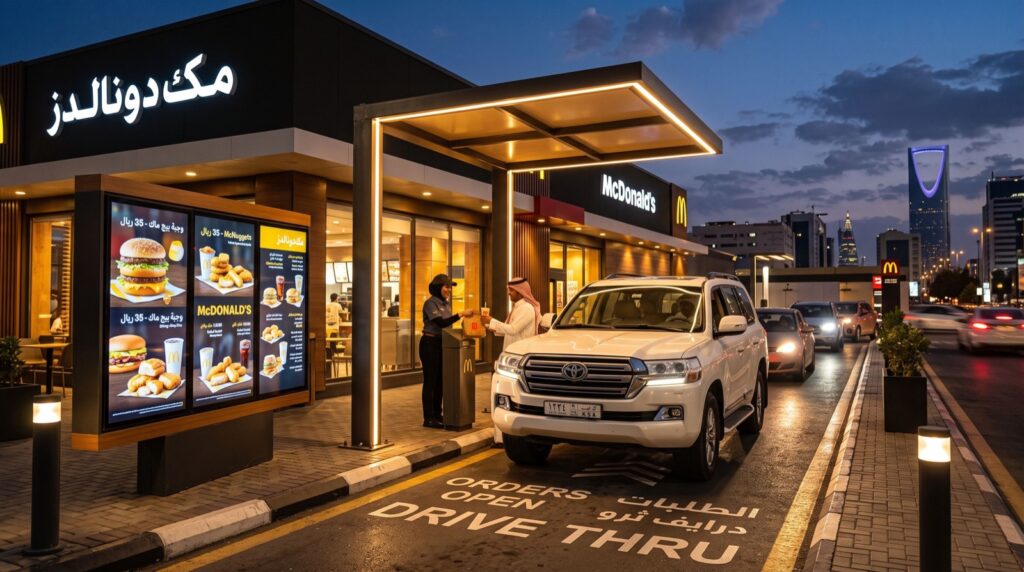
Drive Thru System in Pakistan: The 2026 Guide to Faster, Smarter Lanes
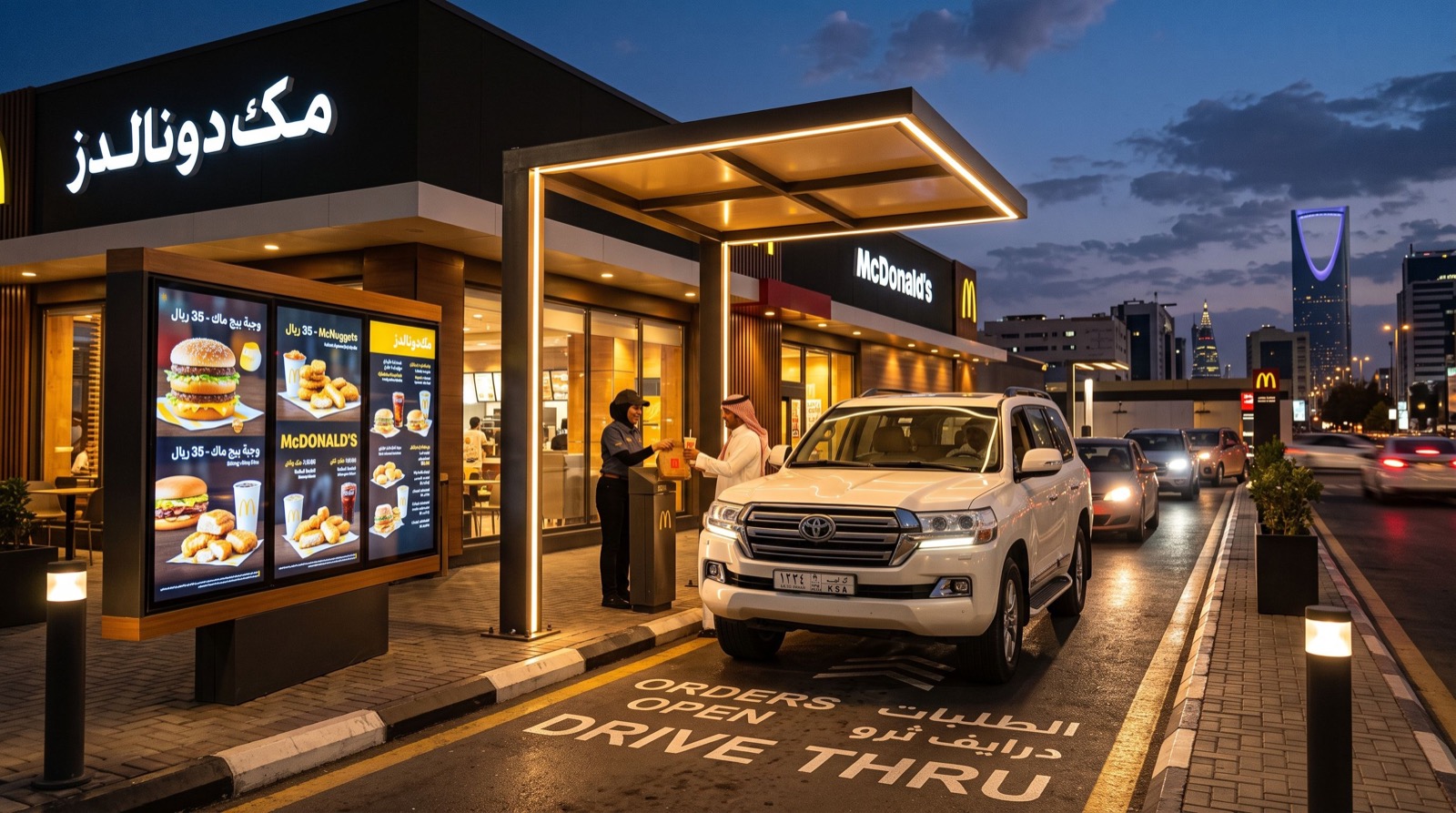
The car window has become one of the busiest sales counters in the country. As quick-service restaurants, pharmacies, and coffee chains expand, a reliable Drive Thru System in Pakistan is now the difference between a lane that flows and one that stalls. In 2026, customers judge a brand by how quickly and accurately it serves them without leaving their car — and the technology behind that experience has never mattered more.
This guide explains how a modern drive-thru works, the hardware and software involved, and how to choose a setup that scales. For a detailed component and pricing overview, the Drive Thru System in pakistan resource is a valuable reference.
Why Drive-Thru Speed Defines the Brand in 2026
Speed of service is not a vanity metric — it drives revenue. Every extra second at the order point or pickup window reduces the number of cars a lane can serve during the lunch rush. Slow lanes also cause visible queues that turn away passing traffic.
Pakistani operators are investing in drive-thru technology because it delivers:
- Higher throughput — more cars served per hour.
- Better order accuracy — fewer remakes and refunds.
- Clearer communication — crisp audio even in traffic noise.
- Actionable data — timers that expose the slowest station.
Industry data from the Nation’s Restaurant News reporting on quick-service trends consistently shows that drive-thru speed and accuracy are top predictors of customer loyalty in the segment.
How Does a Drive Thru System Work?
A complete drive-thru is a chain of coordinated components, each removing friction from the journey between arrival and departure:
- Vehicle detection senses a car at the menu board and starts the service timer.
- Two-way audio headsets let staff and driver speak clearly despite engine and wind noise.
- Digital menu boards display accurate pricing and dynamic promotions.
- Order confirmation screens show the driver exactly what was entered.
- Timing and analytics measure each stage so managers can attack bottlenecks.
Core Components and What They Do
| Component | Purpose | Impact on Service |
|---|---|---|
| Wireless headsets | Clear staff-driver audio | Fewer order errors |
| Vehicle sensors | Detect and time cars | Accurate speed metrics |
| Digital menu board | Show items and offers | Higher upsell rate |
| Confirmation screen | Verify the order | Fewer disputes |
| Timer software | Track each stage | Data-driven coaching |
Single vs. Dual-Lane: Which Fits Your Site?
Single Lane
Ideal for smaller outlets and tight urban plots. It is simpler to install and manage, though throughput is capped during peaks.
Dual or Tandem Lane
Best for high-volume locations. Two order points feed one pickup window, dramatically increasing cars served per hour — the layout many global chains now favor.
What Can Pakistan Learn From Regional Leaders?
The Gulf market offers a useful blueprint. High-traffic chains there run some of the fastest lanes in the region using premium audio and timing platforms. Studying a proven HME drive thru in saudi arabia deployment shows how reliable headsets, clear menu boards, and disciplined timing combine to keep lanes moving even at peak — lessons that translate directly to Karachi, Lahore, and Islamabad.
Choosing and Installing the Right System
A great drive-thru is engineered, not just bought. Follow this sequence:
- Audit the site. Measure lane length, stacking space, and traffic flow.
- Select durable hardware. Prioritize noise-canceling headsets and weatherproof boards for local conditions.
- Set service targets. Define a goal time per car and configure timers to it.
- Train the crew. Scripted greetings and clear handoffs cut seconds off every order.
- Review the data weekly. Use timer reports to coach the slowest station.
One field-tested tip: keep a fully charged spare set of headset batteries at every shift change. Dead batteries at peak are the single most common cause of a sudden drop in lane speed — and the easiest to prevent.
For sourcing, installation, and support, work with trusted professionals who understand both the equipment and the realities of a busy lane.
The Metrics That Actually Matter
Modern timing software can flood you with numbers, but a handful of metrics drive nearly every decision. Focus your dashboards on these:
- Total service time: from vehicle detection to departure — the headline speed figure.
- Menu-board time: how long the driver spends ordering; long times signal a confusing board or slow audio.
- Cars per hour: the throughput that ties directly to revenue at peak.
- Order accuracy: tracked through remakes and refunds.
- Peak-hour stacking: how many cars queue before the order point.
Reviewing these weekly turns a vague sense that “the lane feels slow” into a precise action, such as coaching a specific station or resequencing the kitchen.
How Weather and Layout Affect Your Lane
Local conditions shape performance more than many operators expect. Pakistan’s summer heat and monsoon rain test hardware durability, so weatherproof menu boards and sealed speakers are not optional extras — they protect uptime.
Layout matters just as much. A lane with too little stacking space forces cars onto the road, discouraging new arrivals, while a well-planned curve with a separate pickup window keeps traffic flowing even at lunch. Before committing to hardware, model the busiest thirty minutes of your day and confirm the site can physically hold that many vehicles without spilling into the street.
Lighting and signage round out the picture. Clear, well-lit menu boards reduce ordering hesitation after dark, and simple directional signs stop first-time visitors from blocking the lane while they figure out where to go. Small physical details like these often unlock as much speed as the electronics themselves.
Maintenance That Protects Your Speed
- Clean and test microphones weekly to preserve audio clarity.
- Update digital menu content remotely to avoid downtime.
- Inspect vehicle sensors monthly for accurate timing.
- Keep a maintenance log so recurring faults are easy to spot.
Frequently Asked Questions
What is the best Drive Thru System in Pakistan for a new outlet?
Start with reliable noise-canceling headsets, a digital menu board, an order confirmation screen, and timing software. Choose a platform you can expand to dual-lane later.
How much faster is a digital drive-thru?
Clear audio, confirmation screens, and stage timers typically cut order errors and shave meaningful seconds off each car, lifting cars-served-per-hour significantly at peak.
Can one system manage multiple locations?
Yes. Enterprise platforms let head office monitor timing, update menus, and compare lane performance across all branches from one dashboard.
How long does installation take?
A single lane is usually operational within a few days including staff training, while multi-site rollouts are staged after a successful pilot.
Conclusion
In 2026, the lane is where loyalty is won or lost. A well-designed Drive Thru System in Pakistan delivers the speed, accuracy, and data that keep cars moving and customers coming back. From a single new outlet to a nationwide chain, investing in reliable headsets, clear menu boards, and smart timing pays off in every rush.
Ready to speed up your lane? Request a demo, audit your busiest site, and start your pilot before the next peak season.