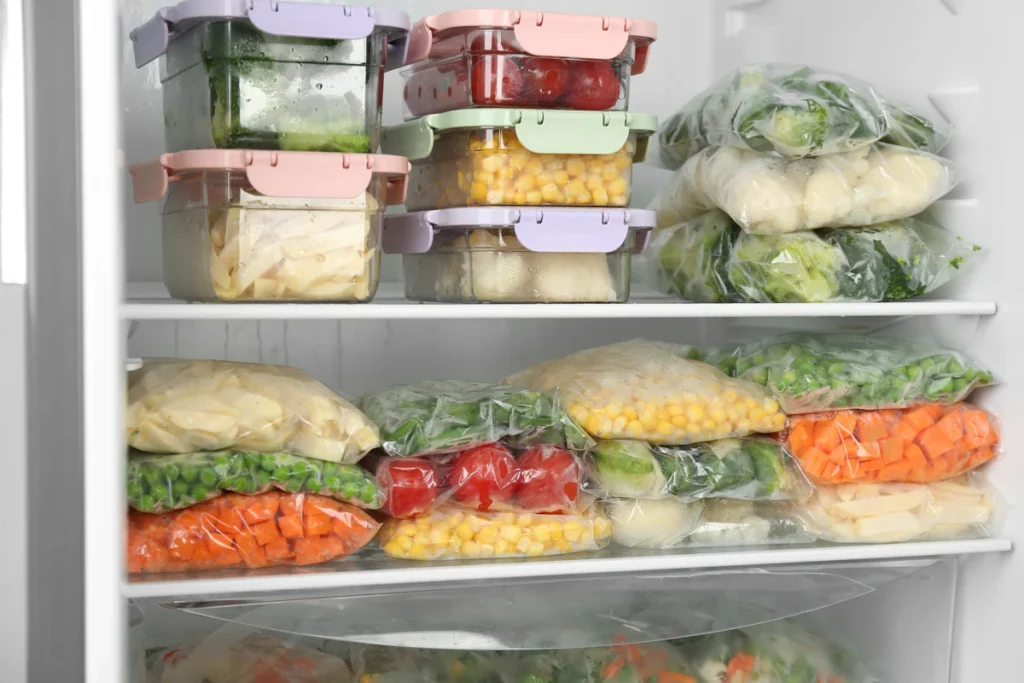
Temperature-sensitive products are everywhere in modern commerce. Fresh fruits and vegetables, dairy products, meat and poultry, seafood, pharmaceuticals, flowers, and certain chemicals all require specific temperature conditions to maintain their quality, safety, and efficacy. Too warm, and they spoil, degrade, or become unsafe. Too cold, and they suffer freeze damage, texture changes, or loss of potency. The solution is Chilled Storage — temperature-controlled environments maintained within precise ranges, typically between 0°C and 10°C, depending on the specific product requirements. Unlike freezing storage that keeps products solidly frozen, chilled storage keeps products cold but not frozen, preserving their fresh characteristics.
Chilled Storage is distinct from both ambient (room temperature) storage and frozen storage. Ambient storage works for shelf-stable dry goods but fails completely for perishables. Frozen storage preserves products for extended periods but fundamentally changes texture and cellular structure — frozen meat, for example, has different qualities than fresh meat. Chilled Storage occupies the critical middle ground: cold enough to slow bacterial growth and enzymatic activity, but not so cold that product quality is compromised. For fresh produce, dairy, flowers, and many pharmaceuticals, chilled storage is the only appropriate solution.
The science behind Chilled Storage is well-established. Most spoilage microorganisms multiply rapidly between 20°C and 40°C. As temperatures drop below 10°C, their growth slows dramatically. At 4°C — the typical refrigerator temperature — most pathogenic bacteria grow very slowly or not at all. Enzymatic reactions that cause ripening, color changes, and texture breakdown also slow as temperatures decrease. However, chilling injury occurs in some products at temperatures too far below their optimal range. Bananas and tomatoes, for example, suffer damage below 10°C. Professional Chilled Storage providers maintain different zones for different product types, ensuring each item receives its ideal temperature.
The pharmaceutical industry has become a major driver of Chilled Storage demand. Many vaccines, biologics, and specialty drugs must be stored between 2°C and 8°C at all times, from manufacturing through distribution to administration. Deviations outside this range can render the products ineffective or dangerous. Chilled Storage facilities serving the pharmaceutical sector maintain redundant cooling systems, continuous temperature monitoring, alarm systems, and backup power. They provide documented temperature histories for every product shipment, satisfying regulatory requirements and providing patient safety assurance.
The food and beverage industry is the largest user of Chilled Storage. Dairy products require consistent cold chain from farm to refrigerator case. Fresh produce must be cooled promptly after harvest to remove field heat and slow respiration. Meat and poultry are chilled to inhibit bacterial growth while allowing aging processes that develop flavor. Seafood is highly perishable and demands immediate chilling after catch. Without professional Chilled Storage, the modern food supply chain would be impossible. Restaurants, supermarkets, caterers, and food distributors depend on chilled storage to deliver fresh, safe products to customers.
The flower industry relies heavily on Chilled Storage. Cut flowers continue to respire and metabolize after harvesting. Warm temperatures accelerate this process, causing flowers to open, wilt, and die within days. Proper chilling slows respiration dramatically, extending vase life from days to weeks. Florists, wholesalers, and importers use Chilled Storage to maintain flower quality from field to customer. A single day of improper temperature exposure can render an entire shipment unsaleable.
Units has established itself as a top company in the storage sector, and their Chilled Storage solutions set the standard for quality and reliability. Their facilities feature industrial-grade refrigeration systems, continuous temperature monitoring, backup power generation, and secure access controls. Whether you need a small chilled locker for a restaurant or a large cold room for a food distributor, Units provides flexible, professional solutions. For businesses that depend on temperature-sensitive products, units.sa is the essential partner.
Chilled Storage in Jeddah: Serving the Red Sea Gateway’s Food and Pharma Hub
Jeddah is Saudi Arabia’s commercial capital and the primary Red Sea gateway for imported goods. Every day, container ships dock at Jeddah Islamic Port carrying fresh produce from Africa, dairy products from Europe, meat from South America, and pharmaceuticals from around the world. These temperature-sensitive products must move efficiently from ship to cold storage to distribution centers to final customers. Chilled Storage in Jeddah is the critical infrastructure that makes this movement possible, preserving product quality while goods await customs clearance, inspection, or onward transportation.
The volume of perishable imports passing through Jeddah is staggering. Fresh fruits arrive from Kenya, South Africa, and Egypt. Vegetables come from Jordan, Turkey, and Europe. Dairy products from Europe require consistent chilling. Meat and poultry from Brazil, India, and Australia must be temperature-controlled throughout handling. Without adequate Chilled Storage in Jeddah, these products would spoil before reaching Saudi consumers, creating enormous waste and driving up prices. The availability of professional chilled storage facilities enables Jeddah to function as a regional food distribution hub serving the entire Kingdom.
Pharmaceutical logistics through Jeddah has grown significantly in recent years. Saudi Arabia imports the majority of its medicines and vaccines, with many arriving through Jeddah port. Temperature-sensitive biologics, insulin, vaccines, and specialty drugs require Chilled Storage in Jeddah that meets Good Distribution Practice (GDP) standards. This means validated temperature control, continuous monitoring, documented temperature histories, and rapid response to any deviations. Facilities serving the pharmaceutical sector maintain redundant cooling systems and backup power to eliminate risk. Temperature mapping and continuous monitoring ensure that vaccines and biologics remain within their required 2°C to 8°C range throughout storage.
The local food industry in Jeddah also depends on Chilled Storage in Jeddah. Restaurants need daily deliveries of fresh ingredients. Supermarkets maintain back-up chilled storage for peak periods. Caterers preparing for large events need temporary cold storage capacity. Food manufacturers producing chilled products like fresh pasta, prepared salads, and dairy desserts need raw material storage and finished goods storage. Professional chilled storage providers offer flexible terms, allowing businesses to rent space by the pallet or by the room, scaling up during busy periods and scaling down when demand slows. This flexibility is essential for businesses with seasonal fluctuations.
The flower trade through Jeddah has expanded dramatically. Flowers imported from Kenya, Ethiopia, and the Netherlands arrive by air and sea. They require immediate Chilled Storage in Jeddah to maintain freshness before distribution to florists and event companies across the Kingdom. A few hours of temperature deviation can destroy an entire shipment’s value. Professional facilities maintain strict temperature control and rapid turnaround to minimize time between arrival and delivery. For the flower industry, every hour in proper chilled storage extends vase life by days.
Units provides premier Chilled Storage in Jeddah with facilities strategically located for port access and distribution connectivity. Their chilled storage zones maintain temperatures from 0°C to 10°C, adjustable to specific product requirements. Continuous monitoring systems provide real-time visibility and alert facility managers immediately if any deviation occurs. Backup power systems ensure cooling continues even during grid interruptions. For importers, distributors, and local businesses needing Chilled Storage in Jeddah, units.sa delivers the reliability and quality that temperature-sensitive products demand.
Chilled Storage in Dammam: Powering the Eastern Province’s Growing Perishables Market
Dammam and the Eastern Province form Saudi Arabia’s industrial and logistics heartland. King Abdulaziz Port in Dammam is one of the Kingdom’s largest and busiest ports, handling container traffic from Asia, Europe, and the Americas. The Eastern Province’s growing population, expanding industrial base, and increasing consumer demand have driven significant growth in perishable product handling. Chilled Storage in Dammam has become essential infrastructure for food importers, pharmaceutical distributors, and local businesses serving this dynamic market.
The food import market through Dammam has expanded rapidly. Asian produce — mangoes from India, dragon fruit from Vietnam, citrus from China — arrives regularly. European dairy and meat products come through Dammam for distribution to Eastern Province customers. Frozen and chilled seafood enters through the port for restaurants and supermarkets. All these products require Chilled Storage in Dammam to maintain quality while awaiting customs clearance, quality inspection, and onward shipment. Without adequate chilled storage capacity, the flow of imported perishables would stop, and prices would rise. Modern facilities with precise temperature control ensure that products arrive at retail shelves in optimal condition.
The pharmaceutical sector in the Eastern Province relies on Chilled Storage in Dammam for vaccine distribution, medicine storage, and clinical supply management. Major hospitals in Dammam, Khobar, and Dhahran maintain their own chilled storage for immediate needs but also depend on third-party storage for overflow, backup, and distribution. Professional chilled storage facilities serving the pharmaceutical sector maintain GDP-compliant conditions, with validated temperature mapping, continuous monitoring, and documented temperature records for regulatory compliance. For vaccines requiring ultra-low temperatures, specialized freezers are also available alongside standard chilled storage.
The Eastern Province’s food manufacturing sector has grown substantially. Food producers making chilled products — fresh juices, prepared salads, dairy desserts, chilled sauces — need reliable Chilled Storage in Dammam for raw ingredients and finished goods. Production lines run most efficiently when raw materials are available in the right quantities at the right time. Finished goods must be stored in chilled conditions while awaiting distribution to retailers. Professional chilled storage providers offer flexible space that scales with production volumes. For manufacturers, having reliable chilled storage nearby reduces transportation costs and ensures product quality from production line to customer.
The agriculture sector in the Eastern Province, particularly date farming and limited fresh produce, also benefits from Chilled Storage in Dammam. Fresh dates are highly perishable and require immediate chilling after harvest to maintain quality. Farms and packing houses need chilled storage for temporary holding before shipment. Exporters need chilled storage to consolidate shipments while coordinating logistics. Professional facilities provide the temperature control that preserves product quality and extends marketable life. For date exporters, proper chilled storage can extend shelf life from weeks to months, enabling access to distant markets.
Units delivers exceptional Chilled Storage in Dammam through facilities designed for the Eastern Province’s specific needs. Their Dammam chilled storage zones are conveniently located for port access and major highway connections. Temperature ranges are adjustable to suit diverse products from fresh produce to pharmaceuticals. Continuous monitoring and backup systems ensure product safety. For businesses requiring Chilled Storage in Dammam — whether importers, manufacturers, distributors, or retailers — units.sa provides the professional solutions that protect product quality and business reputation.
Why Units Is the Top Company for Chilled Storage Solutions
Across Jeddah and Dammam, businesses that depend on temperature-sensitive products face a common challenge: finding chilled storage that is reliable, flexible, and professionally managed. Units has earned its status as a top company by delivering chilled storage solutions that meet the highest standards of quality, safety, and customer service.
Industrial-Grade Refrigeration: Units chilled storage facilities use commercial and industrial refrigeration systems designed for continuous operation. Unlike residential-grade equipment that would fail under constant use, these systems maintain precise temperatures reliably. Redundant compressors and evaporators ensure that cooling continues even if one component fails. Regular preventive maintenance keeps systems operating at peak efficiency, preventing unexpected breakdowns that could compromise stored products.
Continuous Temperature Monitoring: Every Units chilled storage zone is equipped with continuous temperature monitoring systems. Sensors report temperatures in real time to centralized dashboards. If any zone deviates from its setpoint, alarms trigger immediately, alerting facility managers to investigate and correct the issue. This monitoring provides documented temperature histories that satisfy regulatory requirements and provide customer confidence. For pharmaceutical clients, these records are essential for Good Distribution Practice compliance.
Backup Power Systems: Power outages are a risk for any chilled storage facility. Units facilities are equipped with backup power generation systems that automatically engage when grid power fails. Cooling continues uninterrupted. For pharmaceutical and high-value food products, this backup capability is essential. Without it, a few hours of power loss could destroy an entire inventory worth millions of riyals. Backup systems are regularly tested and maintained to ensure reliable operation when needed.
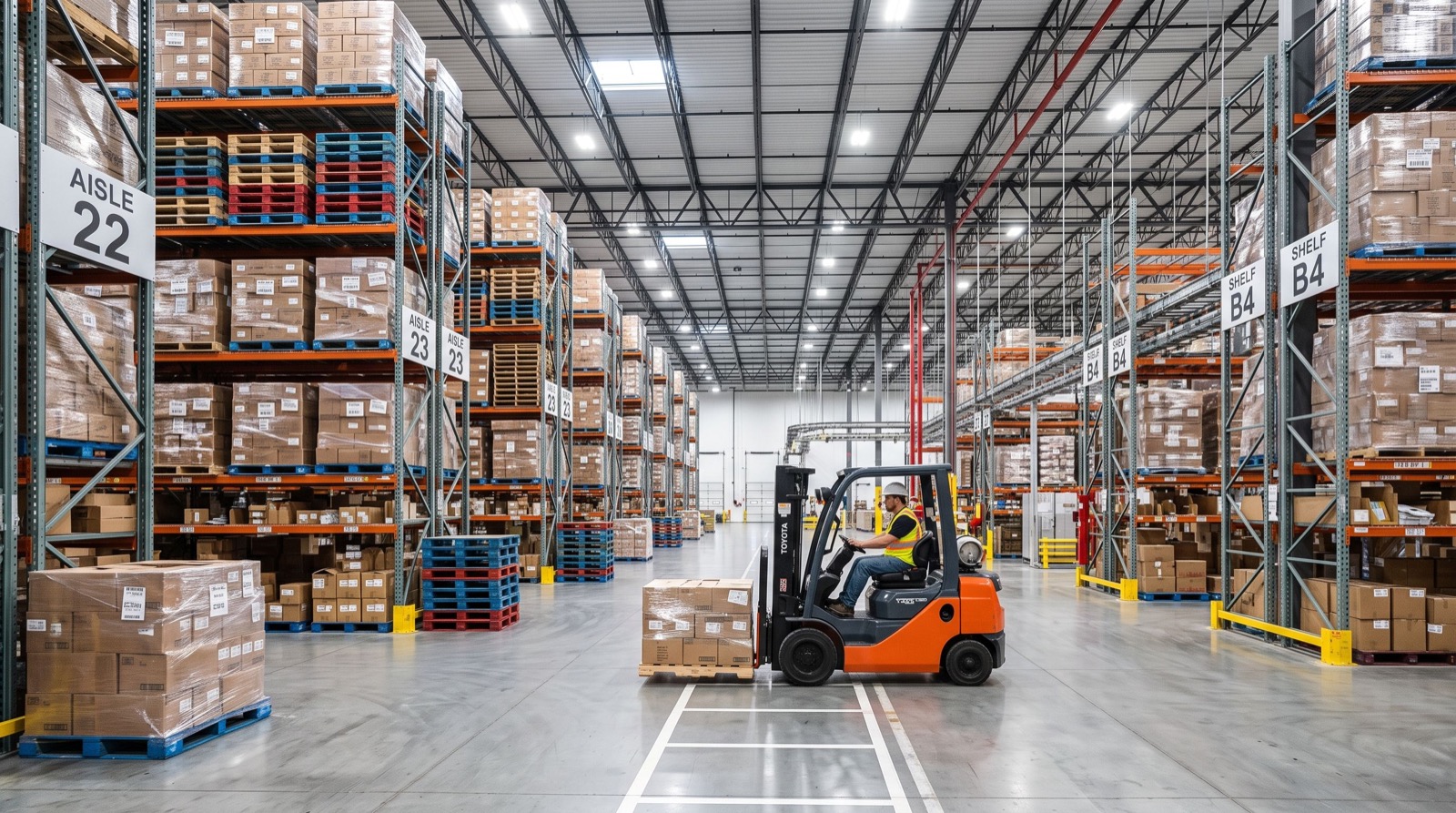
Flexible Space Options: Units understands that different customers need different amounts of space. A restaurant may need a single pallet of chilled storage. A food importer may need an entire room. A pharmaceutical distributor may need segregated zones for different temperature requirements (e.g., 2-8°C for vaccines, 0-4°C for fresh produce). Units offers flexible space options, from small lockers to large cold rooms, with terms that accommodate seasonal fluctuations and business growth. Customers pay only for the space they use.
Professional Management: Units facilities are managed by trained professionals who understand chilled storage requirements. They monitor temperatures, respond to alarms, manage access control, and maintain cleanliness. Customers do not need to become refrigeration experts; they simply store their products and trust that Units will maintain proper conditions. The management team also assists with inventory organization, ensuring that products are stored in a way that facilitates FIFO (First-In, First-Out) rotation.
For any business requiring Chilled Storage, Chilled Storage in Jeddah, or Chilled Storage in Dammam, the choice is clear. Units delivers the reliability, flexibility, and professionalism that temperature-sensitive products demand. Visit units.sa to explore available chilled storage options, request pricing, and schedule a facility tour. Your products deserve the protection that only professional chilled storage can provide.
Frequently Asked Questions (FAQs)
Q1: What temperature range is available in Units chilled storage?
Units chilled storage zones are adjustable typically between 0°C and 10°C (32°F to 50°F). Different zones can be set to different temperatures within this range, allowing simultaneous storage of products with different requirements. For example, fresh produce may be stored at 4-6°C, while dairy products may require 2-4°C. For products needing temperatures outside this range — such as frozen products needing -20°C — Units offers frozen storage zones as well. Discuss your specific temperature requirements when booking, and the Units team will advise on the appropriate zone.
Q2: Is Units chilled storage suitable for pharmaceutical products requiring GDP compliance?
Yes. Units facilities serving the pharmaceutical sector maintain Good Distribution Practice (GDP) standards including validated temperature mapping, continuous monitoring, documented temperature histories, redundant cooling, backup power, and secure access control. Temperature data can be provided to customers for regulatory compliance. For vaccines requiring 2-8°C storage, Units maintains precise control within this range. Discuss your pharmaceutical storage requirements when booking to ensure the appropriate facility and procedures are used.
Q3: How does Units monitor temperature in chilled storage zones?
Units uses continuous electronic temperature monitoring systems with sensors placed strategically throughout each chilled zone. Sensors report readings in real time to centralized dashboards. If any reading deviates from the setpoint range, automated alarms notify facility managers immediately. Temperature records are retained and can be provided to customers as documentation of proper storage conditions. This monitoring is available 24/7, ensuring that any potential issue is identified and addressed before product quality is compromised.
Q4: Can I access my chilled storage unit outside of normal business hours?
Access hours vary by facility, but most Units locations offering chilled storage provide extended access hours, with some facilities offering 24/7 access for premium customers. Because chilled storage zones require stable temperatures, frequent door openings are discouraged as they allow cold air to escape and warm air to enter. However, when access is necessary, the Units team coordinates to minimize temperature impact. For businesses requiring frequent after-hours access, discuss your needs when booking, and Units will recommend the most suitable facility.
Q5: What happens if there is a power outage at a Units chilled storage facility?
All Units chilled storage facilities are equipped with backup power generation systems. When grid power fails, generators automatically start within seconds, providing continuous power to refrigeration systems. This ensures that temperature conditions remain stable during power interruptions. Backup systems are regularly tested and maintained to ensure reliable operation when needed. For pharmaceutical and high-value food products, this backup capability provides essential protection against inventory loss. In the rare event of a prolonged outage, Units has contingency plans including product transfer to alternative cold storage facilities.